How to sell visuals to your client
A slightly shameless plug —
but maybe a useful one.
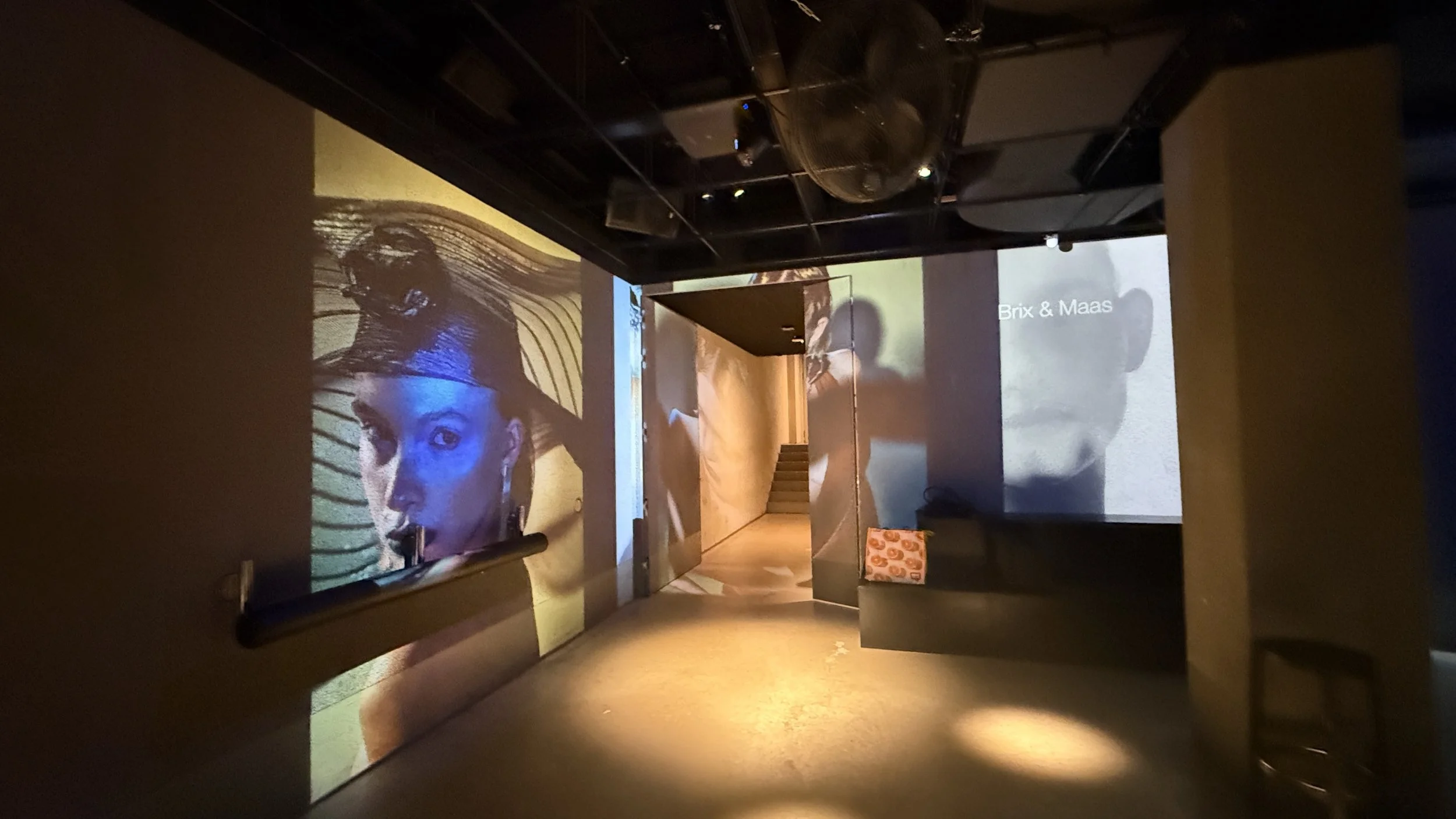
If you work in events, stage design, experience concepts or agency life, you probably know this situation:
You feel that visuals could elevate an event significantly…
but explaining why to the client is harder than expected.
Especially because “visuals” can quickly sound like:
decoration
extra budget
“nice to have”
So here are a few thoughts that might help structure that conversation a bit better.
Not to convince clients at all cost — but to arrive at the right solution for the specific event.
And yes, in the end this might create work for me or some other VJ / motion designer.
Here are a few angles that can make the role of visuals easier to communicate:

No Visuals
Lets be honest: Not Every Event Needs Visuals
A unplugged concert in an intimate setting.
A carefully designed dinner atmosphere.
A conversation-focused experience.
Sometimes adding screens actually reduces focus instead of improving it.
And sometimes the better decision is:
less content, less motion design, less stimulation.
Good visuals should support the intention of an event — not justify their own existence.
World Building
Many brands already invest heavily into world building:
through social media, campaigns, testimonials, copywriting, photography and design systems.
An event can either ignore that world completely —
or extend it into physical space.
Screens and projections are not just displays.
They can become part of the continuity between the brand promise and the live experience.

Every event communicates something.
Sometimes explicitly:
“be part of the movement”
“innovation”
“trust”
“growth”
Sometimes emotionally:
safety
excitement
confidence
belonging
Visuals can reinforce these messages quietly throughout the evening — not just through content, but through rhythm, atmosphere and timing.
Communicating
the Core Message
Visuals work best when they support what is already happening.
A speaker.
An award moment.
A product reveal.
A live act.
Good visuals don’t compete for attention.
They help direct it.
Supporting What
Happens on Stage
Emotional Framing
Before people remember information, they usually remember how something felt.
Visuals can influence:
tension
calmness
anticipation
intimacy
spectacle
energy
Sometimes very subtly.
And often without audiences consciously noticing it.
Structure & Orientation
Especially at larger events, visuals can help audiences understand:
where to look
what matters
when something important is happening
Not just emotionally — but structurally.
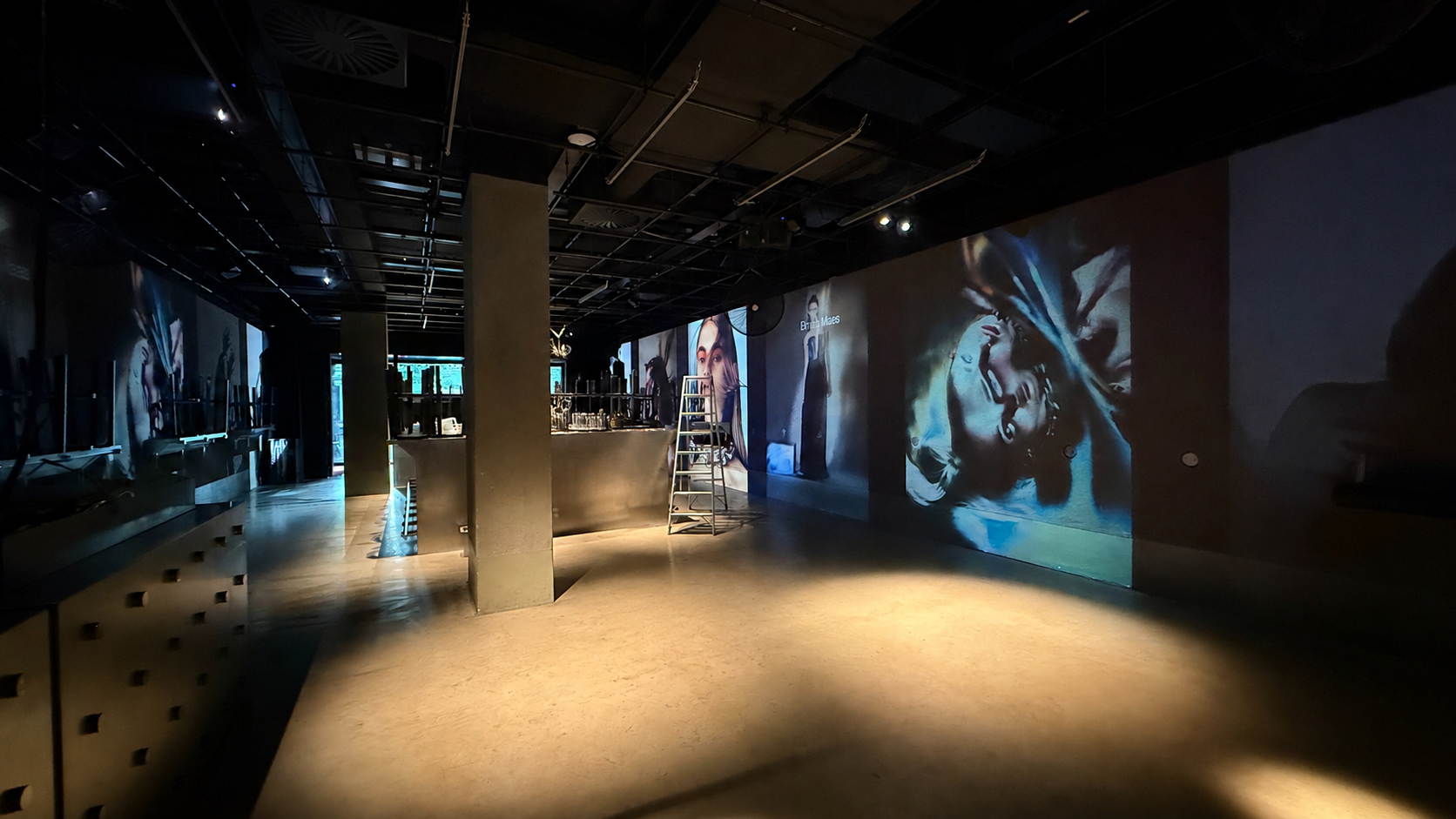
Again:
not every event needs massive visuals, LED walls or motion graphics.
But when visuals are integrated intentionally, they can become part of how an event communicates — not just how it looks.
Get In Touch
if you feel like discussing some ideas
or projects, feel free to reach out